

What the U.S. Administration’s Regenerative Grazing Initiative Means for Global Agriculture and Armenian Farming
A Paradigm Shift in U.S. Agriculture
In July 2025, the U.S. Administration unveiled a sweeping initiative to promote regenerative agriculture, positioning rotational and adaptive grazing at the forefront of soil restoration, climate resilience, and public health. This effort, embedded in the broader “Make America Healthy Again” (MAHA) framework, seeks to transform the way livestock are integrated into agricultural landscapes. Instead of conventional, industrial methods that often degrade land, the initiative emphasizes moving animals across pastures in patterns that mimic natural herd behavior, allowing grasslands to recover fully between grazing periods.
The initiative’s goals are multifaceted: rebuild soil structure, enhance biodiversity, improve water retention, store carbon, and produce nutrient-dense food—all while supporting rural economies. It also reframes the relationship between humans, livestock, and ecosystems, positioning grazing animals not as a source of environmental degradation but as essential allies in land restoration. By focusing on outcomes rather than prescriptions, the program encourages a farmer-first, results-oriented approach, making it easier for ranchers and land managers to implement regenerative practices on a large scale.
Global Implications of U.S. Grazing-Centered Regeneration
Although initiated in the United States, the policy has far-reaching global implications. Grasslands cover nearly 40% of the Earth’s terrestrial surface, from the pampas of South America to the steppes of Central Asia, the savannas of Africa, and the rangelands of Australia. Many of these regions face similar challenges: soil degradation, biodiversity loss, erosion, and over-reliance on chemical fertilizers and monoculture crops. By demonstrating the effectiveness of rotational grazing at scale, the U.S. initiative provides a blueprint for countries worldwide to integrate livestock into sustainable land management practices.
The program also contributes to global debates on regenerative standards, certification, and the connection between soil health, livestock management, and human nutrition. Countries observing the U.S. model are considering how similar programs could be adapted to their own ecological, economic, and cultural contexts. As the international community increasingly links agriculture with climate mitigation, public health, and biodiversity, grazing-centered systems are gaining recognition as one of the most practical, scalable solutions.
Industrial Meat vs. Regeneratively Raised Meat
A critical component of this movement is the distinction between industrial meat production and regeneratively raised meat. Industrial meat systems are characterized by high-density feedlots, grain-based diets, extensive use of antibiotics, and heavy reliance on synthetic fertilizers and pesticides. While these systems produce large volumes of meat efficiently, they often degrade soils, reduce biodiversity, increase greenhouse gas emissions, and produce meat with lower nutrient density.
Regeneratively raised meat, in contrast, comes from livestock managed on healthy, biologically active pastures. Rotational grazing stimulates plant growth, builds soil organic matter, and promotes nutrient cycling. Research shows that pasture-raised livestock produce meat richer in omega-3 fatty acids, conjugated linoleic acid (CLA), and fat-soluble vitamins such as A, D, and E, while containing lower levels of saturated fats and chemical residues. These differences are not minor: studies indicate that omega-3 content in regeneratively raised beef can be up to three times higher than in conventional feedlot beef, while CLA levels can double or triple, contributing to better cardiovascular and metabolic health.
The benefits extend beyond human nutrition. Pasture-based livestock systems increase soil carbon storage, enhance water retention, and promote biodiversity, creating landscapes that are more resilient to droughts, floods, and extreme weather events. In this sense, regenerative meat production aligns ecological restoration with food production, addressing multiple crises simultaneously: climate change, land degradation, and nutrient deficiencies.
What It Means for Armenian Agriculture
Armenia, a country dominated by mountains, alpine pastures, and small- to medium-scale livestock farms, stands at a pivotal moment. Historically, Armenian pastures have suffered from overgrazing, land fragmentation, and soil erosion, limiting both agricultural productivity and ecological health. Adopting grazing-centered regenerative practices provides a roadmap to restore these landscapes.
By moving livestock strategically and allowing sufficient pasture recovery, Armenian farmers can rebuild degraded lands, increase soil organic matter, improve water retention, and reduce erosion on steep slopes. These practices also enhance the resilience of local ecosystems, supporting native plants, pollinators, and wildlife, and contributing to a healthier landscape that sustains livestock productivity over the long term.
Rotational grazing encourages more productive and diverse pastures, reducing dependence on external inputs like chemical fertilizers and imported feed. This is especially important in Armenia, where mountainous terrain and fragmented farms make large-scale industrial feedlot systems challenging and ecologically risky. By emphasizing ecological balance, Armenian farmers can increase both the quality and quantity of pasture-based meat production.
Armenia also faces growing competition from imported industrial meat products, often produced at low cost but with lower nutritional quality and significant environmental impacts. Regenerative agriculture provides a strategic advantage. Meat produced on nutrient-rich pastures can compete in both local and international markets as a premium, high-quality product, differentiating itself from imported alternatives.
By promoting traceable, pasture-raised meat, Armenia can appeal to consumers increasingly concerned with health, food safety, and sustainability. This approach not only supports food sovereignty—reducing reliance on imported grain-fed meat—but also positions Armenia as a producer of healthy, nutrient-dense meat with a clear environmental story. In a world where consumers are willing to pay for food that is both ethically and ecologically responsible, regenerative agriculture offers Armenian producers a competitive edge.
Eco-Tourism and Rural Development Opportunities
Regenerative grazing has benefits beyond meat production. Well-managed pastures and restored ecosystems create opportunities for eco-tourism and agro-tourism. Visitors can experience farm-to-table dining, wildlife observation, and educational tours, generating income for rural communities while promoting environmental stewardship.
In regions such as Dilijan, Tavush, and Syunik, where natural landscapes are already a key tourist attraction, regenerative agriculture integrates seamlessly with tourism. Healthy, biodiverse pastures become living classrooms, teaching visitors about soil health, rotational grazing, and sustainable land management. This combination of agriculture and tourism diversifies income streams, supports rural livelihoods, and encourages the next generation of farmers to adopt regenerative practices.
Mountain High Farms: Pioneering Regenerative Practices in Armenia
At the forefront of this transformation is Mountain High Farms, widely recognized as a pioneer in regenerative agriculture in Armenia. The farm implements rotational grazing and other regenerative techniques to restore pastures, enhance biodiversity, and improve soil and water health across its lands.
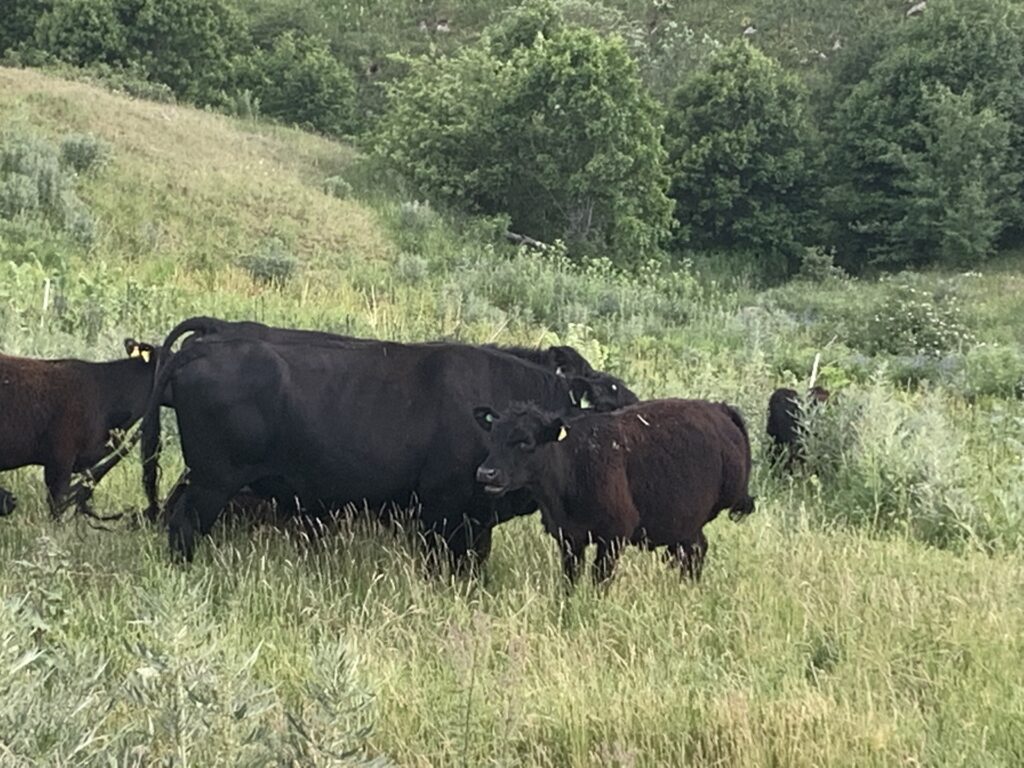
Mountain High Farms raises livestock such as Black Angus cattle and Dorper sheep on carefully managed pastures. The farm’s approach emphasizes soil fertility, pasture recovery, and animal health, producing nutrient-rich, high-quality meat while demonstrating sustainable land stewardship. By showcasing the economic and ecological benefits of regenerative grazing, Mountain High Farms serves as a model for other farmers, illustrating how Armenia can restore its ecosystems and compete in global markets for premium, regeneratively raised products.
The farm also plays an educational role, offering workshops, tours, and hands-on experiences for local farmers and international visitors. By combining regenerative agriculture with agro-tourism, Mountain High Farms not only creates economic opportunities but also strengthens Armenia’s reputation as a leader in sustainable farming practices in the region.
Global Lessons and Armenia’s Future
The U.S. Administration’s regenerative grazing initiative is part of a broader, global movement demonstrating that livestock can be agents of ecological restoration rather than degradation. For Armenia, this approach offers a roadmap for restoring pastures, improving food quality, enhancing biodiversity, and strengthening rural economies. By adopting regenerative principles, Armenia can compete effectively with imported industrial meat, align with global trends in sustainable agriculture, and create resilient agricultural systems for the future.
Mountain High Farms exemplifies what is possible: combining rotational grazing, high-altitude pasture management, and livestock stewardship to produce premium meat, restore degraded landscapes, and educate the next generation of farmers. As global demand for regenerative products grows, Armenia has an opportunity not only to meet that demand but to position itself as a pioneer of regenerative agriculture in the region, offering a model for other countries with similar ecosystems and challenges.
Written by Ashot Boghossian
For Mountain High farms
Leave a reply
Leave a reply